Our Services

At Niyyah Counselling and Wellness Centre, we specialize in treating depression, anxiety, OCD PTSD, relationship issues, emotional dysregulation, domestic violence, social skills issues, children/adolescents behavior issues, stress and self-worth issues and also provide problem solving/conflict resolution, self-worth, communication, life transitions and assertiveness training; OCD; grief; personality disorders, and Islamically integrated therapy.
Our core services include:
Individual therapy: Our individual counseling services provide a safe and confidential space for you to explore your thoughts, feelings, and behaviors, and work towards improving your mental health and well-being. Whether you’re struggling with anxiety, depression, trauma, or other challenges, we’ll work together to develop a personalized treatment plan that addresses your unique needs and goals.
Group therapy: Our group counseling services provide a supportive and collaborative environment where you can connect with others who are facing similar challenges. Led by a trained therapist, our groups can help you improve your coping skills, build social support, and gain new insights and perspectives on your struggles.
Islamic Integrated Therapy (IIT): is a type of therapy that incorporates Islamic teachings and values into the therapeutic process. It combines traditional counseling techniques with Islamic concepts and principles to help individuals achieve a deeper understanding of themselves and their relationship with Allah (God).
Online Counseling: Our online counseling services offer the convenience and flexibility of accessing therapy from the comfort of your own home. Using a secure and HIPAA-compliant platform, we’ll work together to address your mental health concerns, develop coping strategies, and improve your overall well-being.
Supervision: our approach to clinical supervision is collaborative and supportive. We aim to create a safe and confidential space where you can reflect on your clinical work, explore challenges, and develop new skills and strategies.
Depression
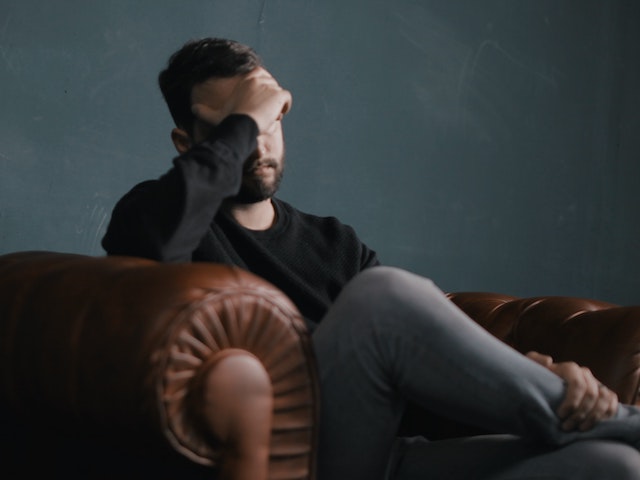
Depression: Depression is a common mental health issue that affects millions of people around the world. It can cause feelings of sadness, hopelessness, and loss of interest in activities that were once enjoyable. Depression can impact daily functioning, relationships, and overall quality of life. If you or someone you know is struggling with depression, know that you are not alone and there is help available. Symptoms of depression can vary from person to person but may include:
- Persistent sadness or feelings of emptiness
- Loss of interest or pleasure in activities that were once enjoyable.
- Changes in appetite and weight
- Sleep disturbances, including insomnia or oversleeping.
- Fatigue or loss of energy
- Feelings of worthlessness or excessive guilt
- Difficulty concentrating or making decisions.
- Physical symptoms, such as headaches or digestive problems
- Recurrent thoughts of death or suicide
If you’re experiencing any of these symptoms we can help

Anxiety
Anxiety is a normal and natural response to stress, but when anxiety becomes excessive or chronic, it can interfere with daily life and impact mental health. Anxiety disorders are the most common mental health disorders in Canada, affecting over 3 million adults.
Symptoms of anxiety can vary depending on the type of anxiety disorder, but may include:
- Excessive worry or fear about everyday situations
- Restlessness or feeling keyed up or on edge.
- Difficulty concentrating or sleeping.
- Panic attacks, which can include symptoms like sweating, racing heart, and difficulty breathing.
- Avoidance of certain situations or activities due to fear or anxiety
- Obsessive or repetitive thoughts or behaviors
There are several different types of anxiety disorders, including generalized anxiety disorder (GAD), panic disorder, social anxiety disorder, and obsessive-compulsive disorder (OCD). Anxiety can also co-occur with other mental health conditions, such as depression. If you’re struggling with any of these symptoms we can help
Grief & Loss
Grief and loss are universal experiences that can occur as a result of many different life events, such as the death of a loved one, the end of a relationship, a significant life change, or a traumatic experience. It is a normal and natural response to these events, and everyone experiences grief in their own way and on their own timeline.
Symptoms of grief can vary, but may include:
- Sadness or feelings of emptiness
- Anger, frustration, or irritability
- Guilt or regret
- Difficulty sleeping or changes in appetite.
- Loss of interest in activities once enjoyed.
- Physical symptoms such as headaches or stomach-aches
- Difficulty concentrating or making decisions.
The grieving process is not linear and can be unpredictable. It can involve a range of emotions and reactions, and it may take weeks, months, or even years to fully process a loss. If you’re struggling with Grief and loss, we can help!
- Emotional abuse, such as name-calling, insults, or constantly criticizing the survivor.
- Sexual abuse, such as forcing the survivor to engage in sexual acts against their will.
- Stalking or harassment, such as following the survivor or making threats. If you or someone you know is experiencing domestic violence, it’s important to know that you are not alone. We can help!


Relationships
Relationships are an essential part of our lives, and they play a significant role in our mental and emotional well-being. However, maintaining healthy relationships can be challenging, and it’s not uncommon for individuals to experience difficulties in their relationships at some point in their lives.
Relationship counseling is a type of therapy that focuses on improving communication, building intimacy, and resolving conflicts in relationships. It can be beneficial for individuals who are struggling with issues such as infidelity, communication breakdowns, trust issues, or different life goals and values. If you’re experiencing challenges in your relationships, we are here to provide support and guidance as you work through emotions, develop coping strategies, and move towards healing and acceptance.
Racialized Groups
Race-related trauma, also known as race-based traumatic stress, is a form of psychological trauma that results from experiences of racial discrimination, racism, and prejudice. It can be experienced by individuals who have been directly targeted by racism or by those who witness or are exposed to racial trauma.
Symptoms of race-related trauma can vary, but may include:
- Flashbacks or intrusive thoughts related to the traumatic event
- Hypervigilance or constant alertness to potential threats
- Avoidance of certain situations or people
- Anxiety or depression
- Difficulty sleeping or nightmares.
- Physical symptoms such as headaches, stomach-aches, or fatigue
- Feelings of anger, shame, or guilt
Experiences of race-related trauma can have a profound impact on mental health and overall well-being. It can cause individuals to feel isolated, disconnected, and devalued, leading to low self-esteem and feelings of hopelessness. It can also impact physical health and increase the risk for chronic health conditions such as heart disease and diabetes. If you or someone you know is experiencing race-related trauma and would like to discuss treatment, contact us for a free 15 minute consultation

Anger Management
We can provide you with anger management tools and techniques to help you control your emotions and address the root cause.
PTSD/Trauma
Post-traumatic stress disorder (PTSD) is a mental health disorder that can develop after an individual experiences or witnesses a traumatic event, such as a natural disaster, serious accident, physical or sexual assault, or combat exposure. PTSD can also develop as a result of ongoing trauma, such as domestic violence or childhood abuse.
PTSD can have a significant impact on an individual’s mental and physical health, as well as their ability to function in everyday life. Symptoms of PTSD can include:
- Flashbacks
- nightmares
- avoidance of triggers
- Hypervigilance
- emotional numbness.
Counseling can be a valuable tool in treating PTSD and trauma-related disorders. Our therapists can help you process traumatic experiences, develop coping strategies, and work through emotions in a safe and supportive environment. Book for free 15 minute consultation